
High reduction ratio
Multiple impact stages combine reduction and shaping, helping simplify many secondary crushing circuits.
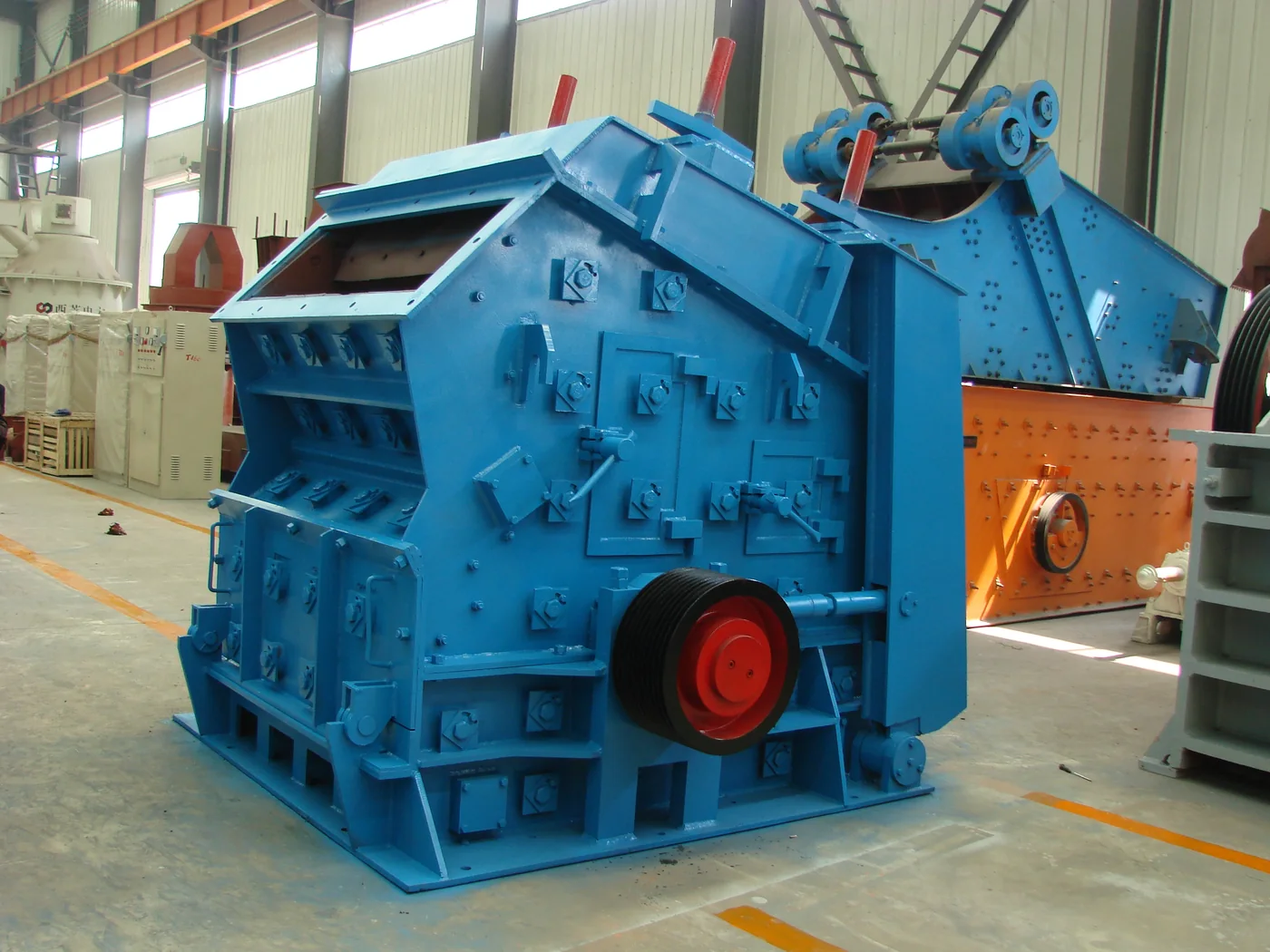
PF SERIES IMPACT CRUSHER
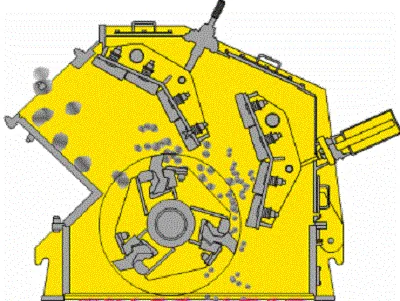
An impact crusher uses a high-speed rotor and replaceable blow bars to accelerate incoming stone. The material strikes impact plates inside the chamber, fractures along natural weaknesses and is recirculated through successive impact zones until it can pass the discharge opening.
This breakage mechanism is particularly effective where operators need a more cubical finished product, fewer flaky particles and a flexible secondary crushing stage.
WORKING PRINCIPLE
Material enters the crushing chamber at a stable rate and falls into the rotor's working radius.
Blow bars mounted on the rotor transfer kinetic energy and project the stone toward the impact plates.
Material rebounds between rotor and impact curtains, creating repeated stone-on-steel and stone-on-stone reduction.
Particles leave when they are small enough for the adjusted gap; oversized pieces remain in the impact path.
WHY CRONUS
Each configuration is selected around the actual feed, moisture, abrasiveness, required output and downstream screening circuit.
Multiple impact stages combine reduction and shaping, helping simplify many secondary crushing circuits.
Impact breakage improves particle shape for road base, concrete aggregate and manufactured sand preparation.
A balanced rotor, robust shaft and securely locked blow bars are engineered for stable high-speed operation.
Impact curtain position and rotor operating parameters can be matched to the required grading envelope.
Opening housings and accessible wear zones reduce inspection effort and support faster replacement of wear parts.
Cronus engineers integrate feeders, screens, conveyors and dust-control equipment into the complete plant design.
MODEL RANGE
Figures are preliminary selection data. Final capacity varies with material density, hardness, feed grading, moisture, screen settings and desired product size.
| Model | Rotor (mm) | Max feed (mm) | Rotor speed (rpm) | Power (kW) | Reference capacity (t/h) |
|---|---|---|---|---|---|
| PF-1007 | 1000 × 700 | 300 | 680 | 37-55 | 20-60 |
| PF-1010 | 1000 × 1050 | 300 | 595 | 55-75 | 40-90 |
| PF-1210 | 1250 × 1050 | 300 | 512 | 110-132 | 60-150 |
| PF-1214 | 1250 × 1400 | 300 | 512 | 132-160 | 80-180 |
| PF-1315 | 1320 × 1500 | 350 | 450 | 180-260 | 120-250 |
| PF-1320 | 1320 × 2000 | 500 | 430 | 300-375 | 160-550 |
Need verified sizing? Send feed size distribution, bulk density, moisture, compressive strength, hourly target and final product gradings for a project-specific selection.
MAIN COMPONENTS
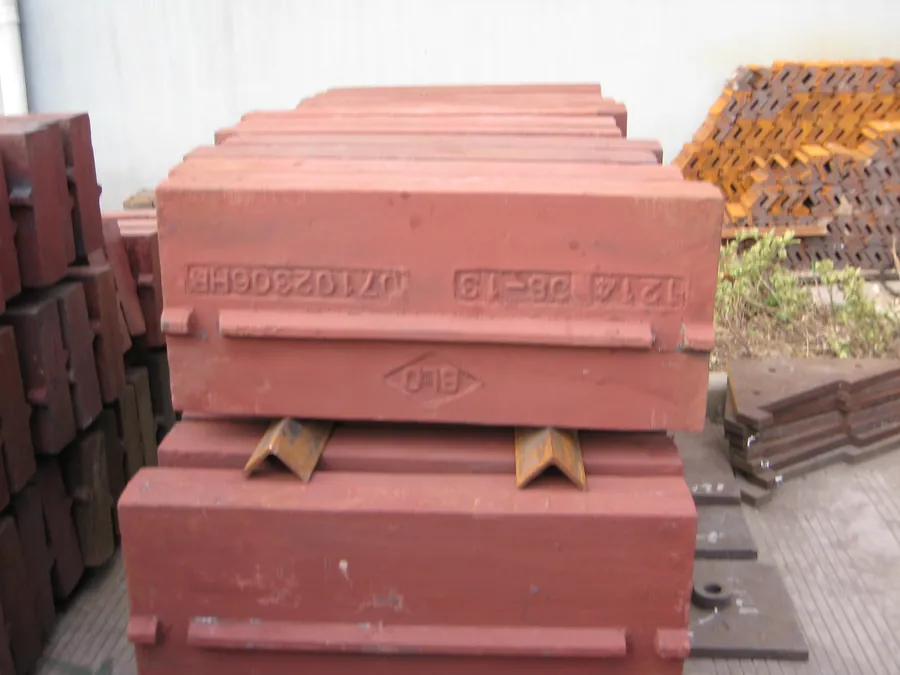
Transfer rotor energy to the feed. Material grade is selected for feed abrasiveness and impact load.
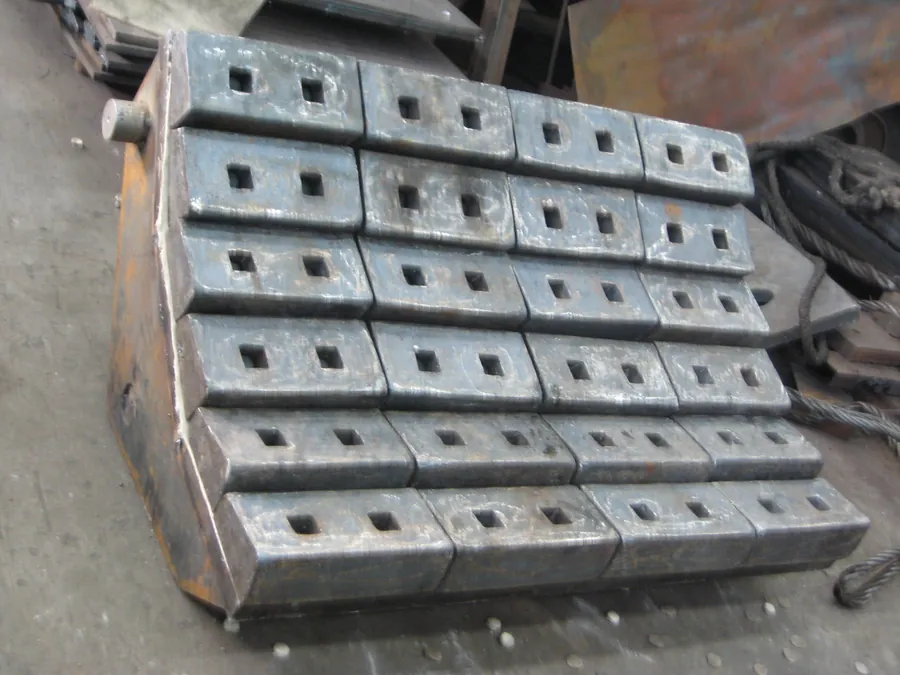
Form the crushing chamber and provide the rebound surface for repeated material breakage.
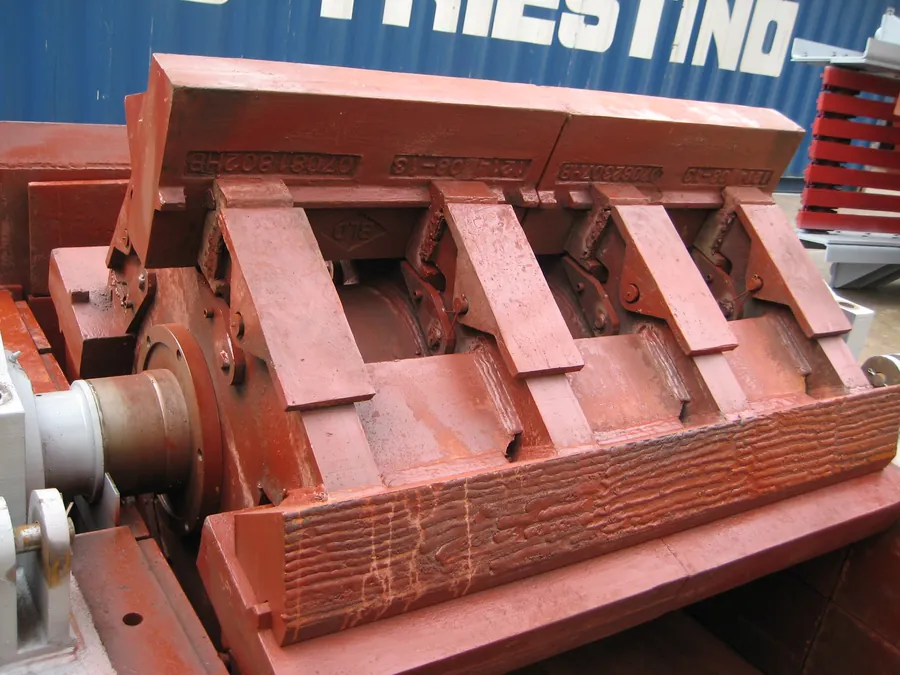
Includes rotor body, shaft, blow-bar locking system and wear protection for stable high-speed operation.
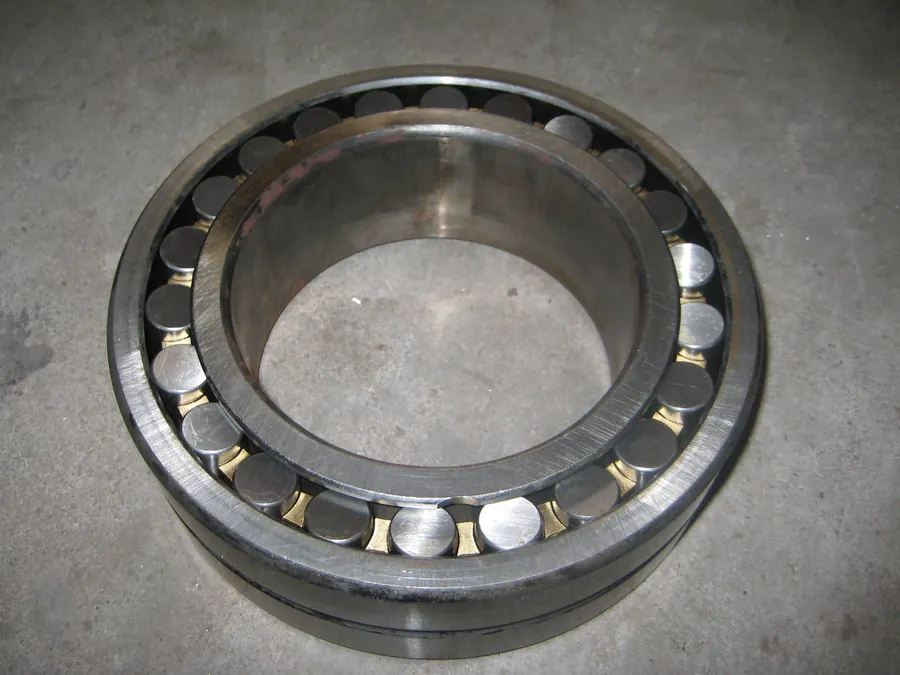
Support radial loads and rotor alignment; correct lubrication and temperature monitoring extend service life.
APPLICATIONS
Best suited to low- and medium-abrasive feed. Highly abrasive silica-rich rock requires careful wear-cost evaluation and may favor a cone crusher in some duties.
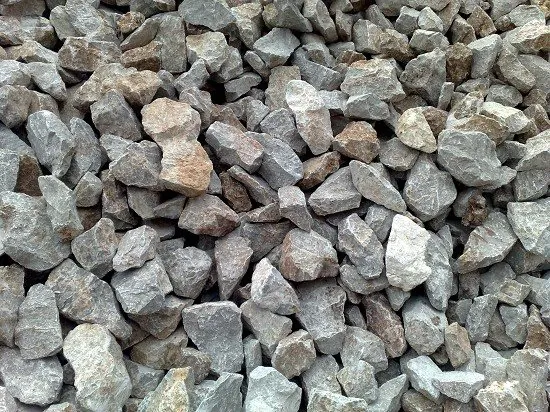
Cement, aggregate and road base
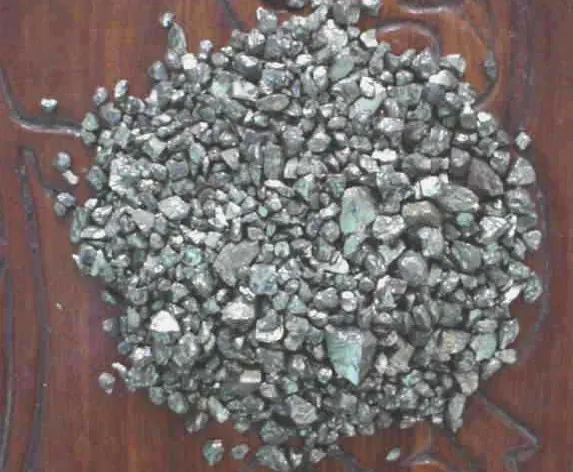
Selected mining applications
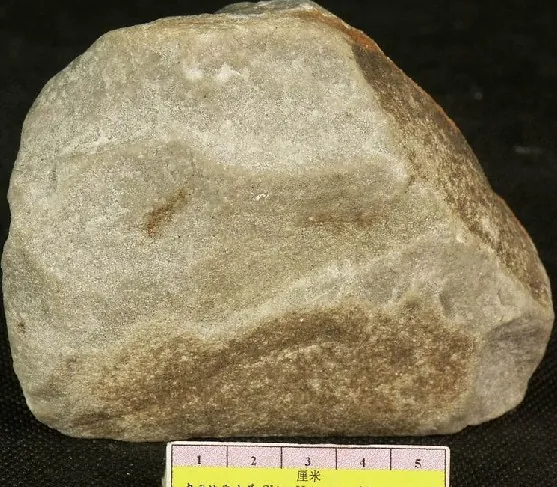
Construction and industrial mineral
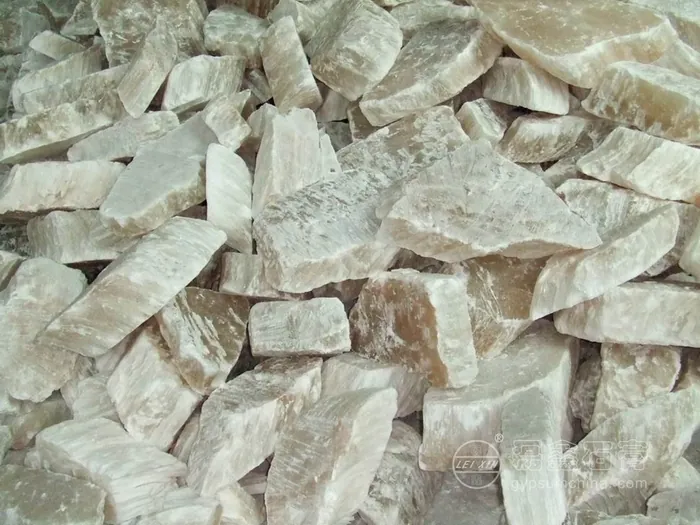
Building materials processing
Aggregate with wear evaluation
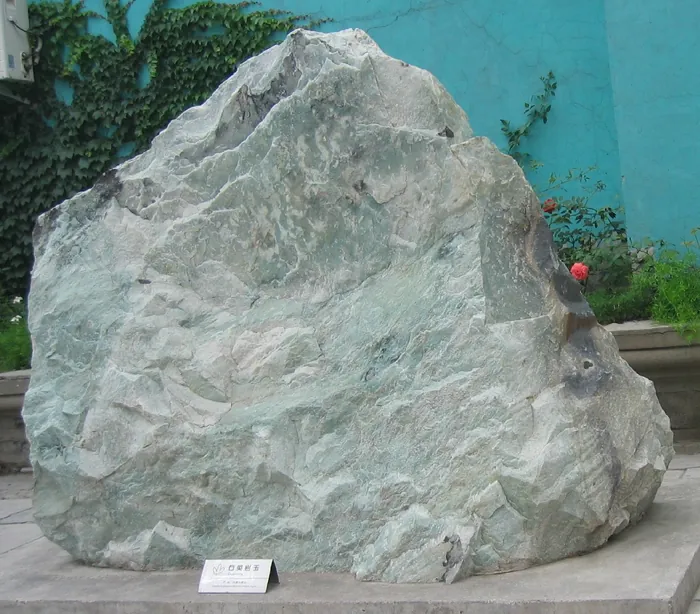
Duty-specific selection required
PROJECT EXPERIENCE
Plant arrangements are engineered around site conditions, product gradings, local power supply and maintenance access.
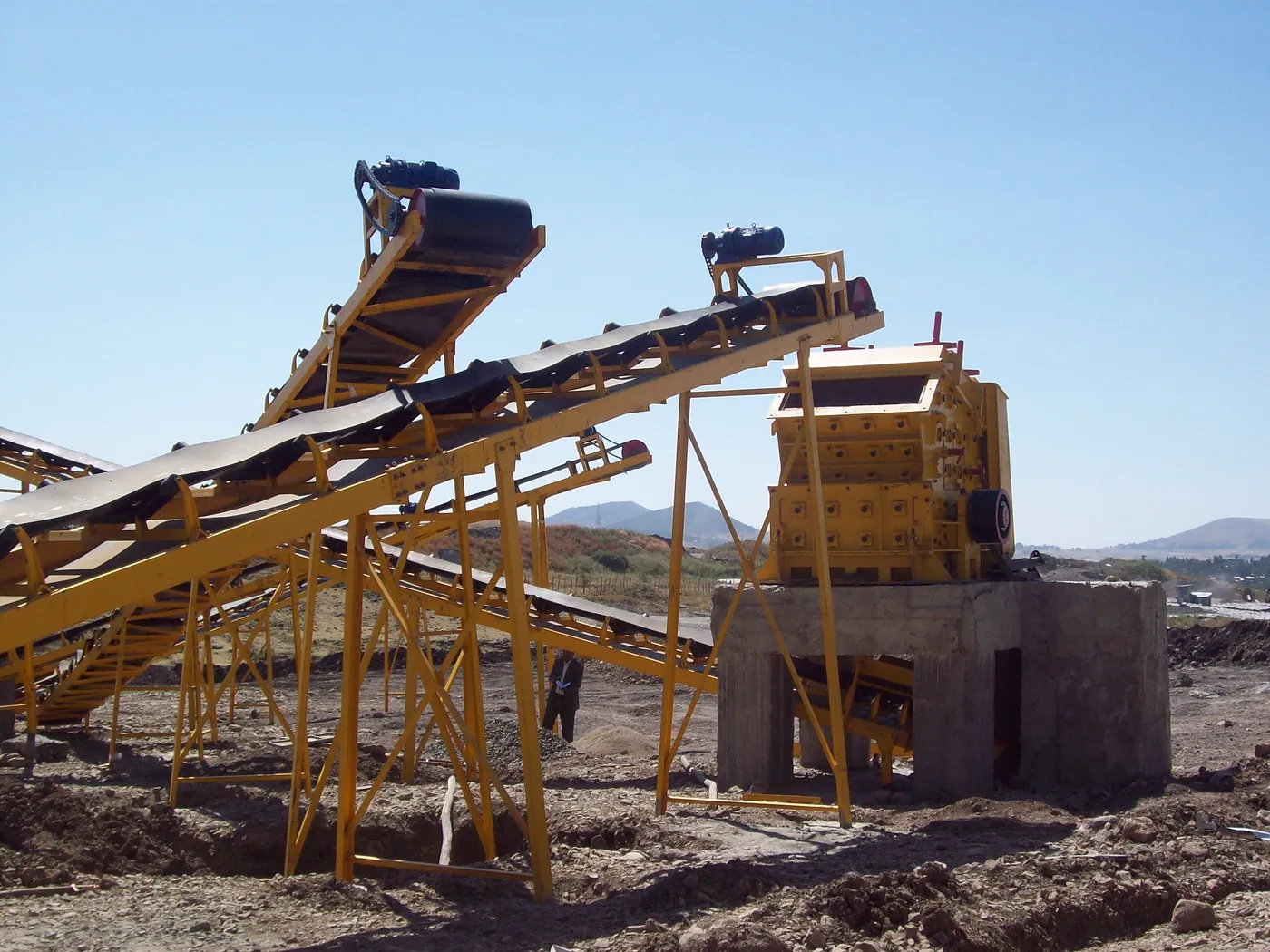
Impact crusher integrated with belt conveyors for graded stone production.
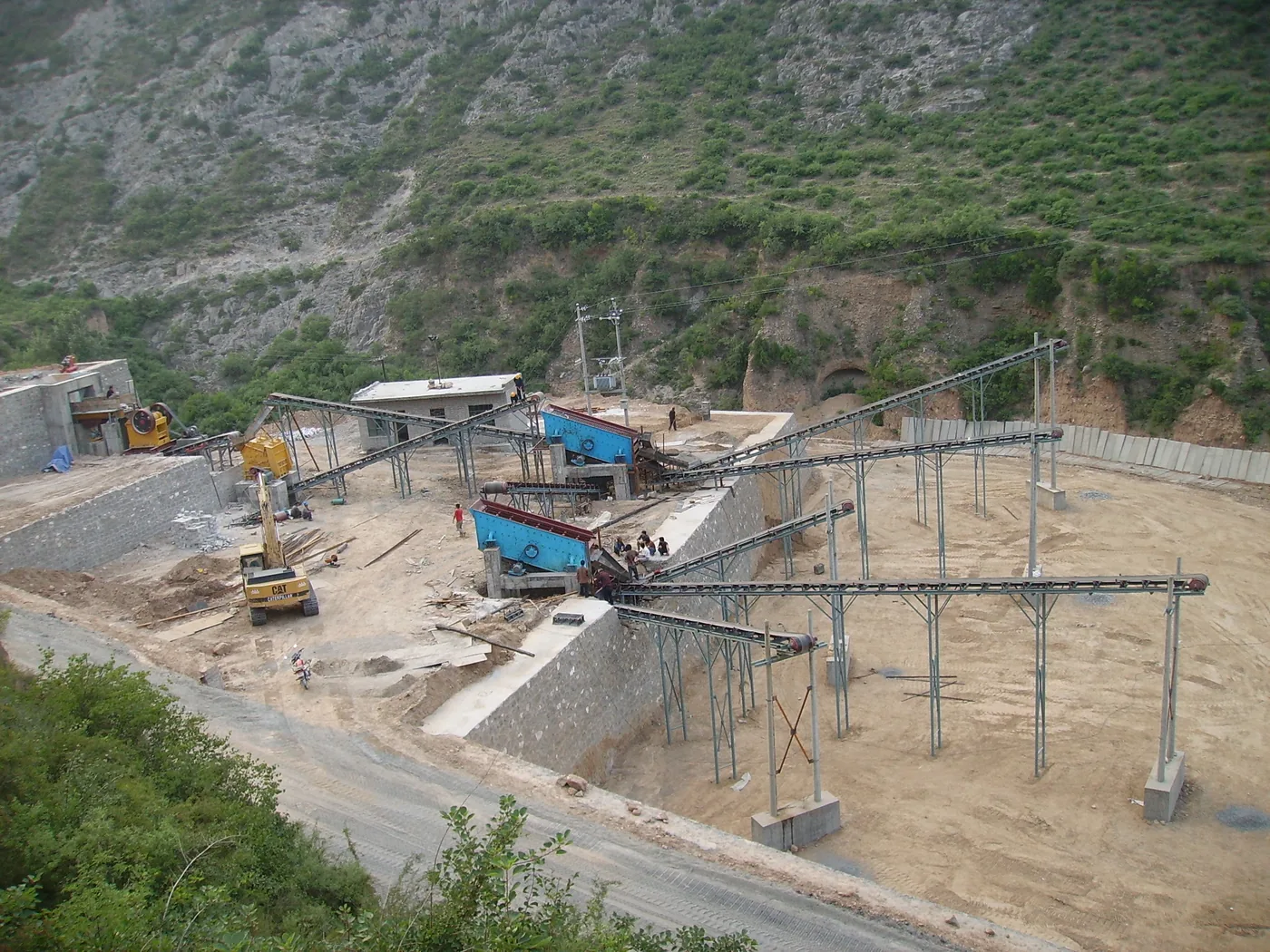
Crushing, screening and conveying arranged to match a constrained site.
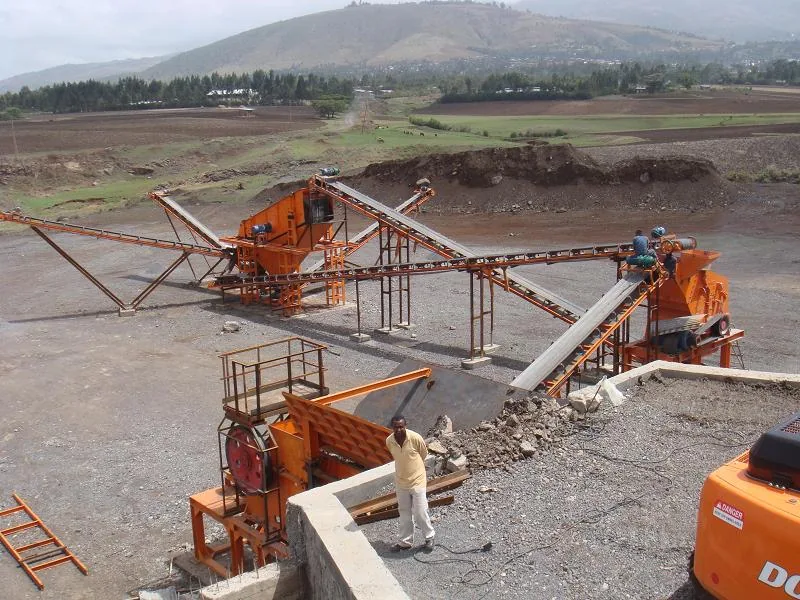
Field-proven equipment in a complete quarry processing line.
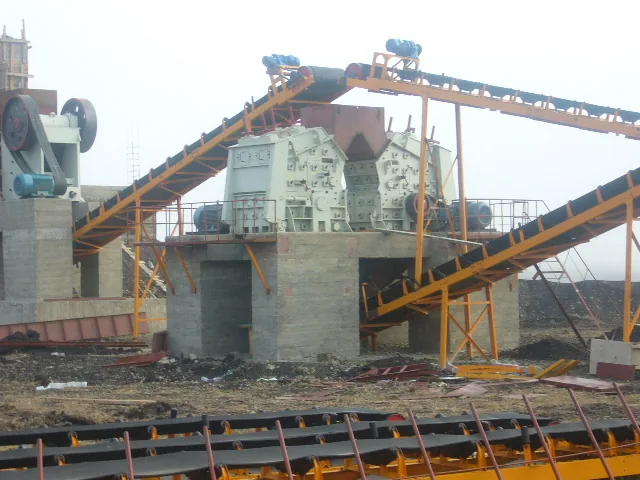
Impact crushing and conveying equipment configured for local aggregate demand.
ABOUT CRONUS
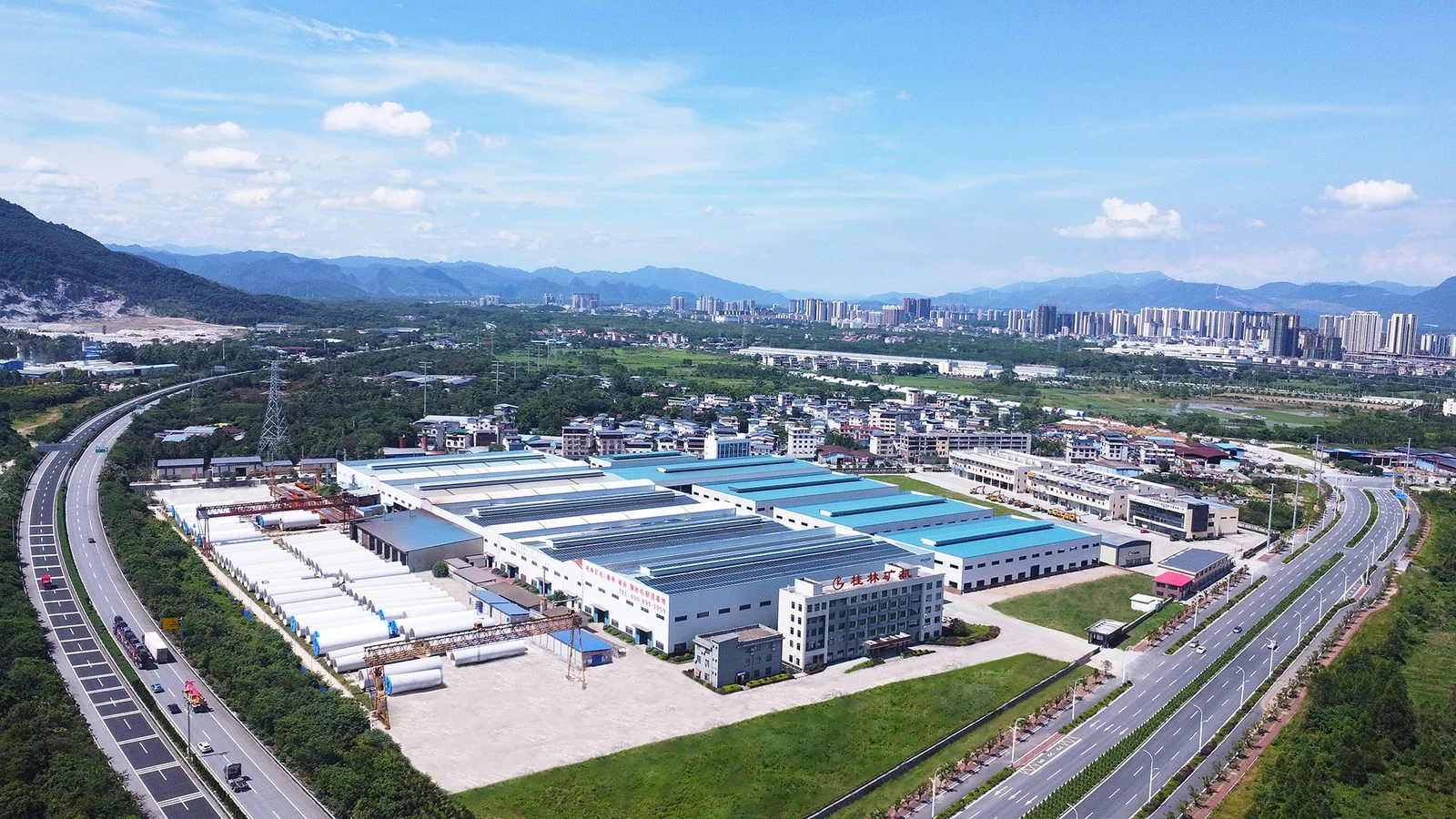
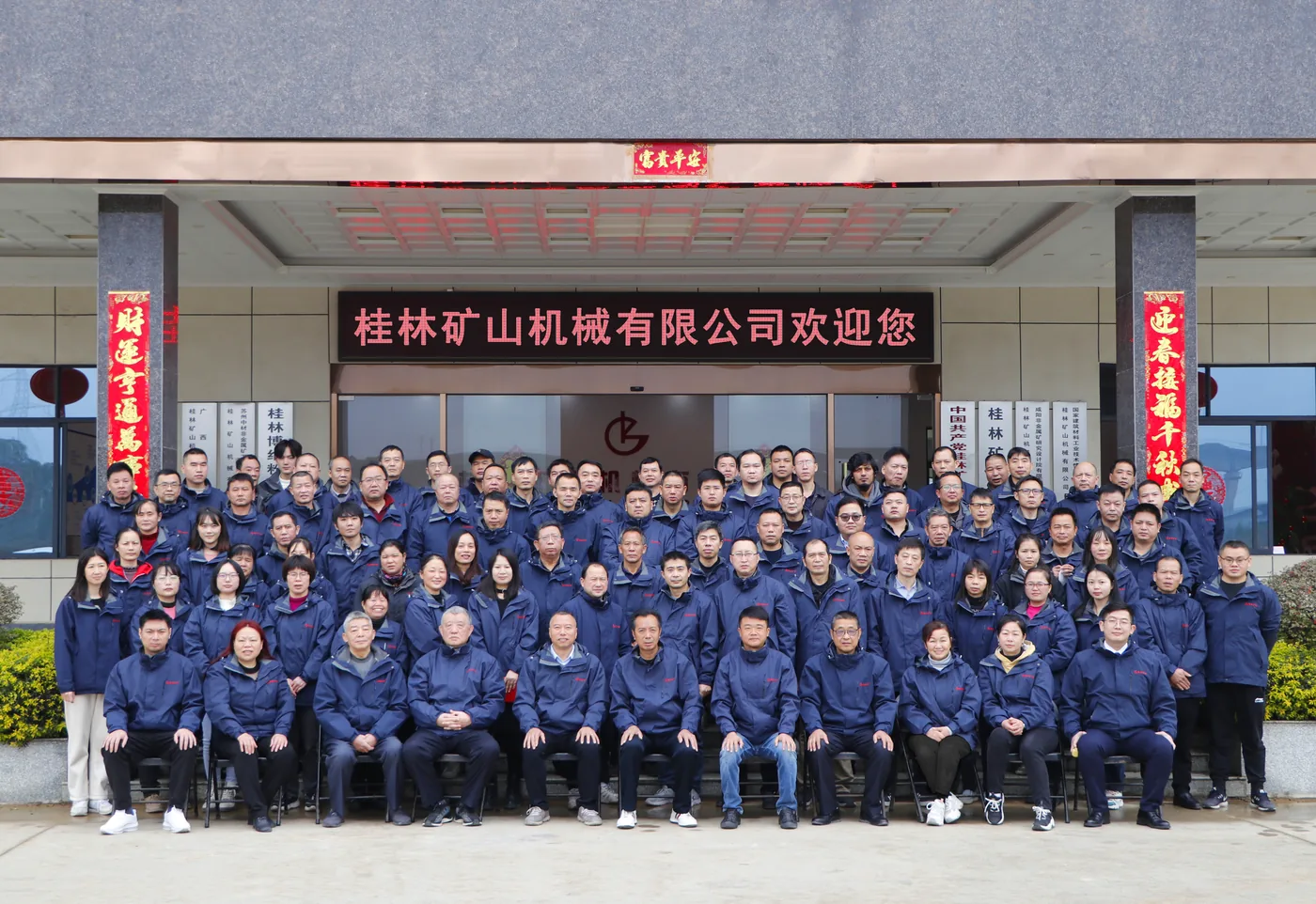
Cronus is a subsidiary brand of Guilin Mining Machinery Co., Ltd., an industrial equipment manufacturer founded in 1973. The group combines long-term mineral processing experience with modern engineering, manufacturing, quality control and international project service.
From stand-alone machines to complete crushing and grinding systems, the team supports material testing, process selection, plant layout, commissioning guidance, operator training and long-term spare-parts planning.
QUALIFICATIONS
Selected records from the manufacturing group. Certificate scope and validity should be confirmed for the specific export project.
FAQ
Practical answers to the questions buyers most often ask before equipment selection.
Ask a project-specific questionIt is used for primary or secondary reduction of soft to medium-hard rock and recyclable mineral materials where high reduction and a cubical final shape are important.
Common feeds include limestone, gypsum, dolomite, coal gangue, concrete, brick and selected ores. Abrasiveness, silica content and compressive strength must be checked before final selection.
A jaw crusher compresses material and is often used for primary reduction. An impact crusher uses high-speed impact and is commonly selected for higher reduction and improved product shape.
Cone crushers use compression and usually perform better with hard, abrasive rock. Impact crushers often deliver better shape and reduction on less abrasive feed but may have higher wear costs on silica-rich material.
The reference range is approximately 20-550 t/h across the listed models. Actual capacity depends on feed grading, density, moisture, hardness, rotor speed, discharge setting and screen efficiency.
Product size is influenced by the gap between rotor and impact curtains, rotor speed, feed grading and the downstream screen circuit. Adjustment procedures depend on the selected model.
Blow bars, impact plates, chamber liners and associated locking or protection components are the main wear items. Wear rate is driven by feed abrasiveness, contaminants, throughput and operating practice.
There is no universal interval. Operators should measure wear profile, monitor vibration and product grading, and rotate or replace bars according to the maintenance manual and remaining safe section.
Moderate moisture may be manageable, but sticky feed can reduce capacity and cause chamber buildup. Material testing and an appropriate feeder or pre-screen are recommended for wet applications.
Yes. The crusher can be integrated with tracked or wheeled feeders, screens and conveyors. Transport limits, power source, foundation loads and site movement frequency must be considered.
Provide feed material, maximum size and grading, bulk density, moisture, compressive strength, abrasiveness, hourly capacity, operating hours, final product sizes and available power.
Yes. Cronus can configure feeders, primary and secondary crushers, screens, conveyors, dust-control equipment, electrical systems and spare-parts packages around the required process.
Support can include installation guidance, commissioning assistance, operator training, maintenance planning, remote troubleshooting and supply of matched wear and spare parts.
PROJECT ENQUIRY
Share your feed, target output and site conditions. A Cronus engineer will use the information to prepare an initial equipment recommendation.